
Pull Up Bands




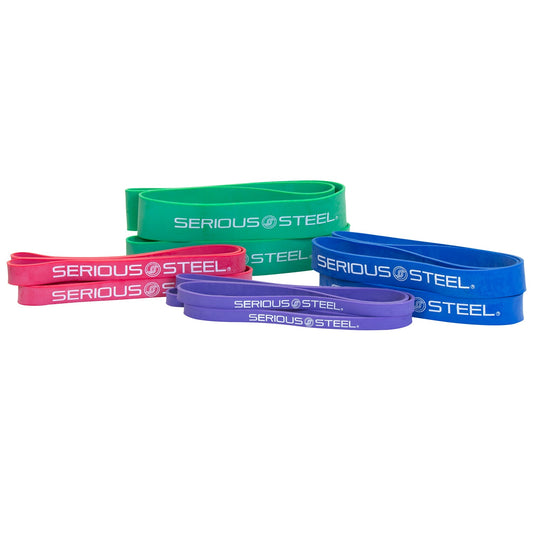
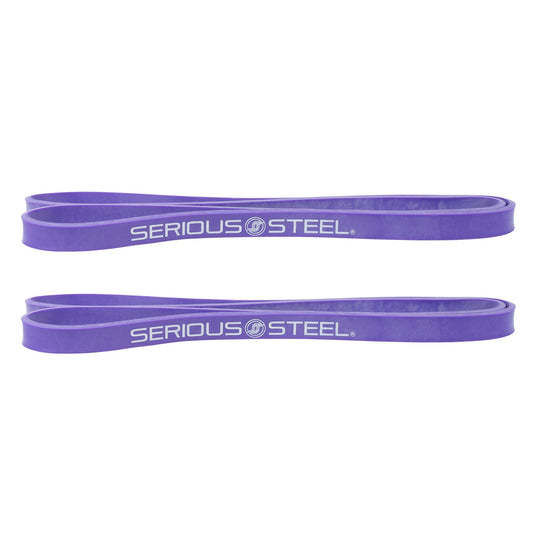

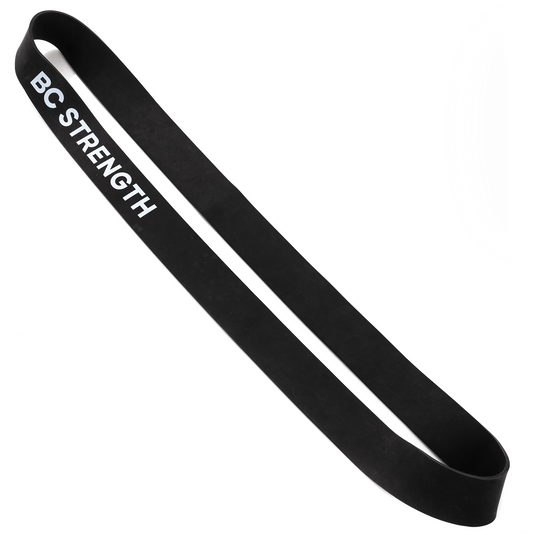
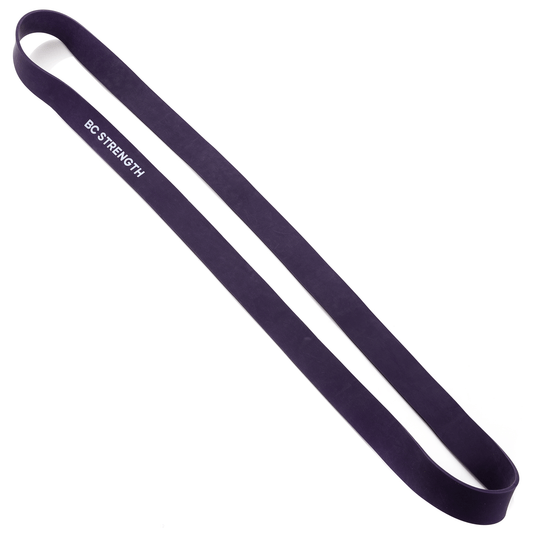
























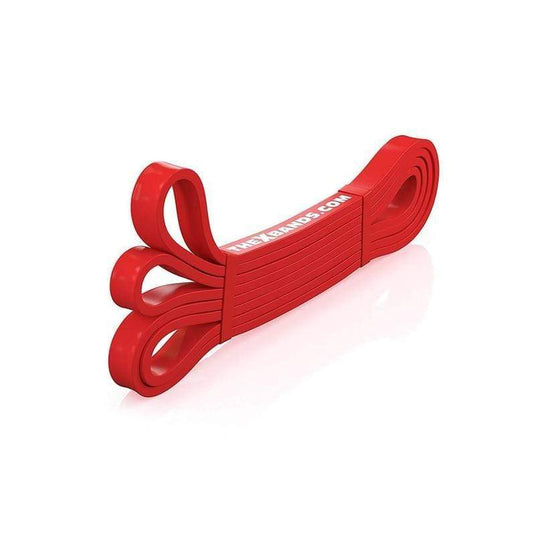




Pull Up Bands — Resistance Bands Built for Pull-Up Assistance
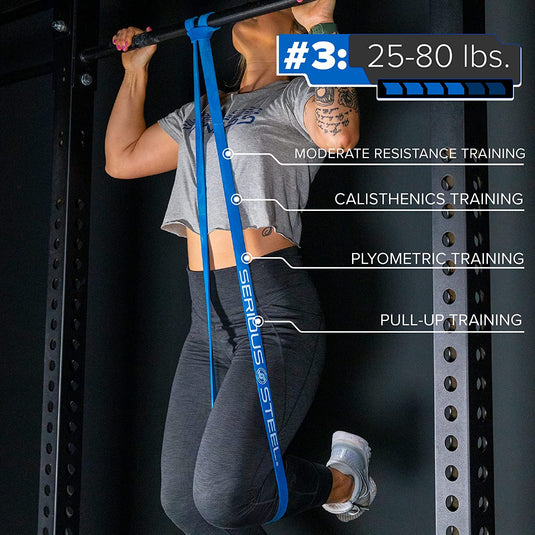
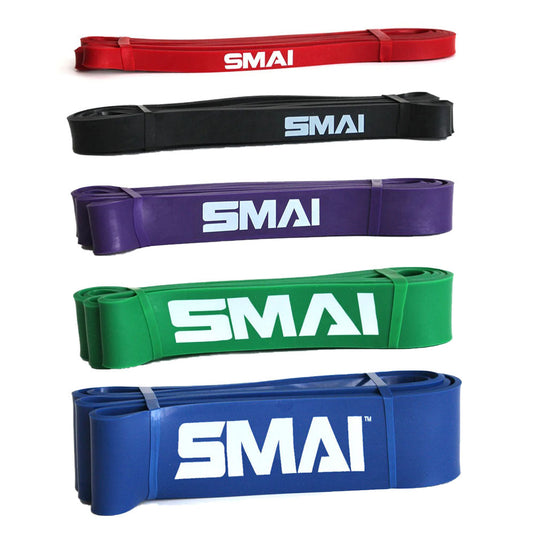
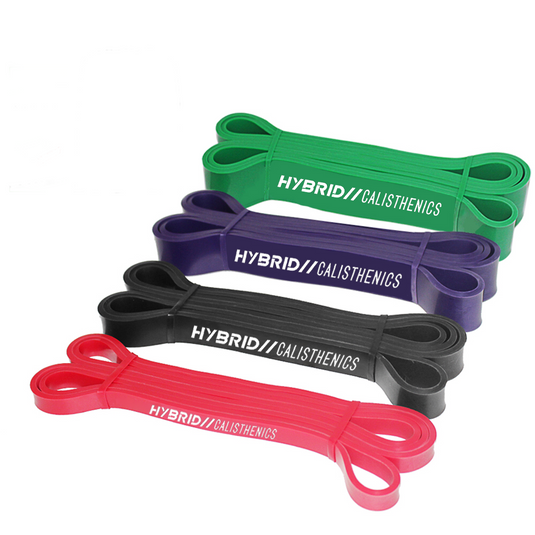
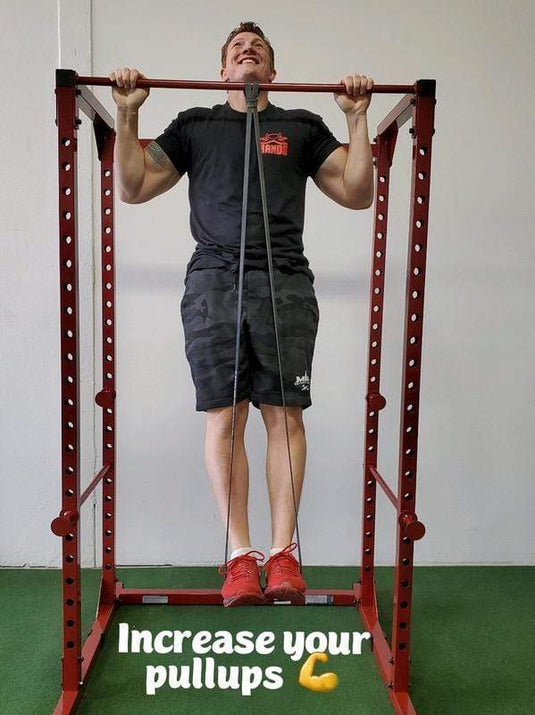
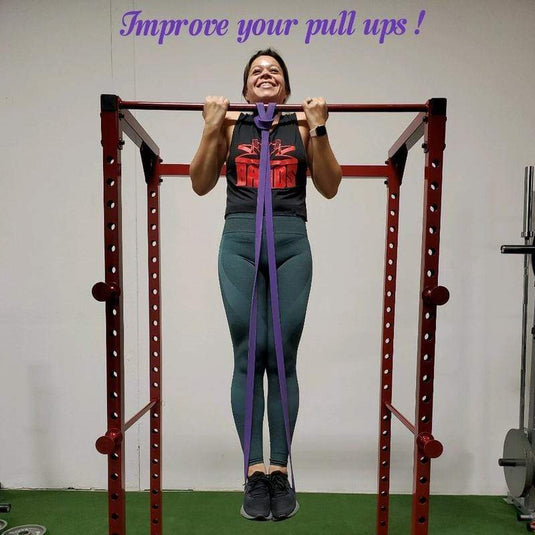
Pull up bands are loop bands specifically selected for pull-up and chin-up assistance. By looping the band over a pull-up bar and placing your foot or knee in the bottom of the loop, you get variable assistance that's greatest at the bottom — where pull-ups are hardest — and decreases as you approach the bar. They're designed to strengthen the muscles used to pull your body weight unassisted: your trapezius, biceps, rhomboids, and lats.
How Pull Up Bands Work
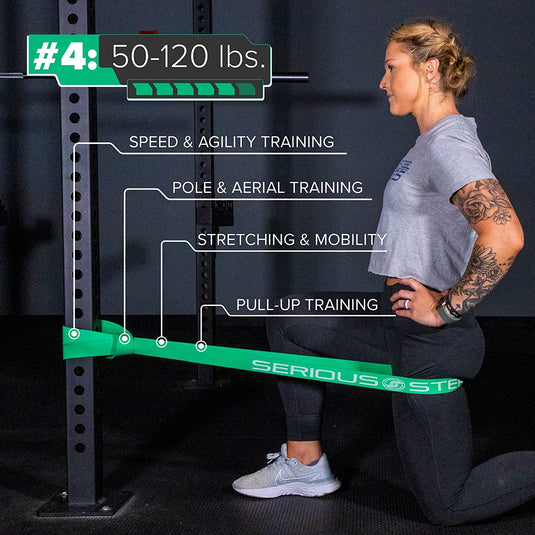
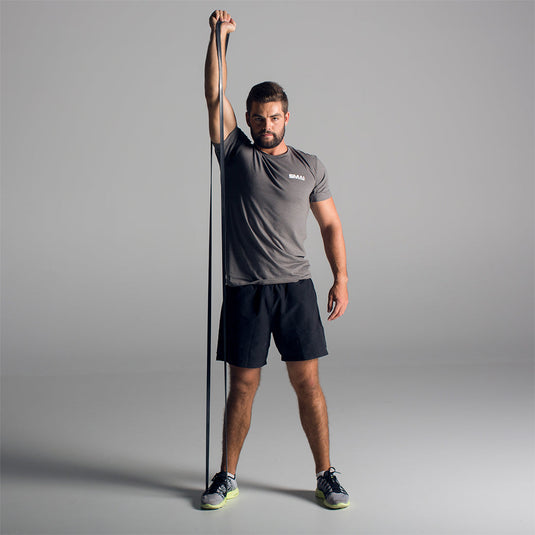
Loop the band over your pull-up bar using a lark's head knot. Place one foot or knee into the hanging loop. As you lower, the band stretches and provides maximum assistance at the bottom of the movement — exactly where most people struggle. As you pull up, the band shortens and the assistance decreases, so your muscles still do the work at the top of the rep.
This makes pull-up bands the most effective tool for building toward unassisted pull-ups — more so than jumping pull-ups or lat pulldown machines, because you're training the exact same movement pattern with progressively less assistance over time.
How to Choose a Pull Up Band
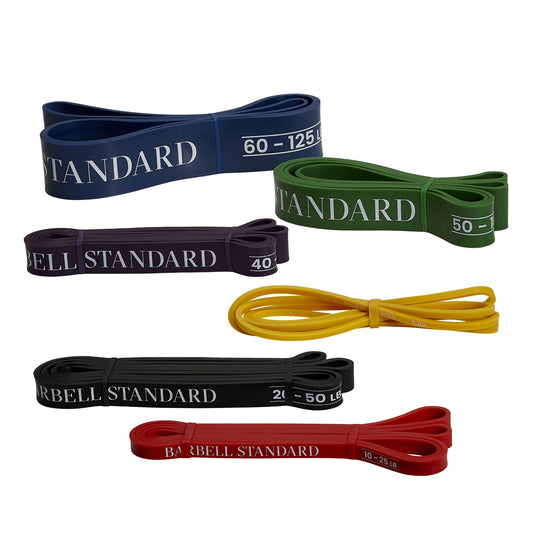
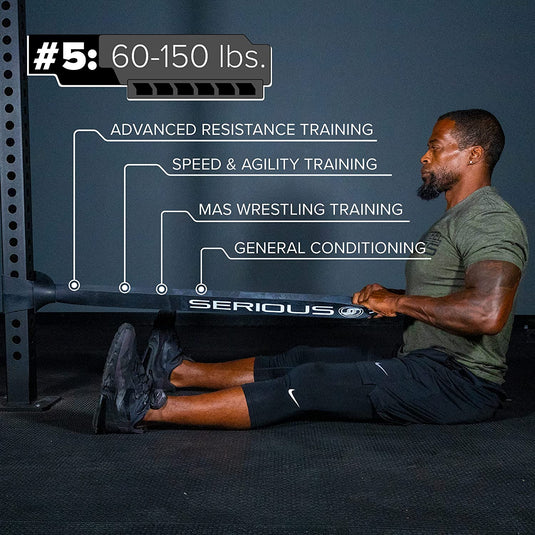
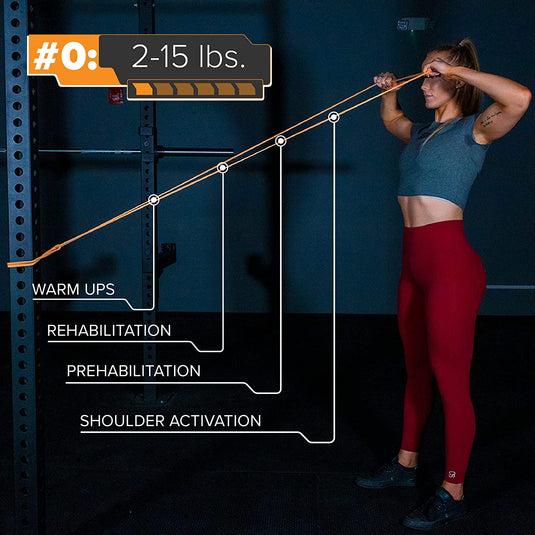
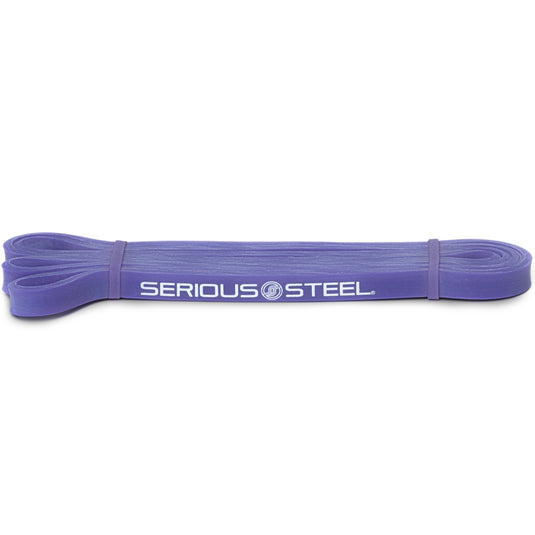
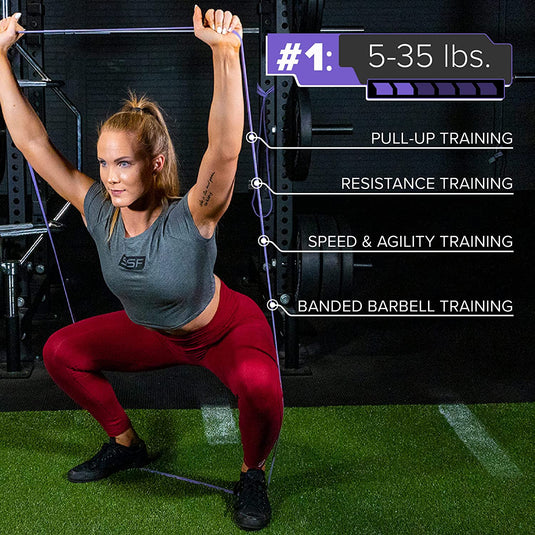
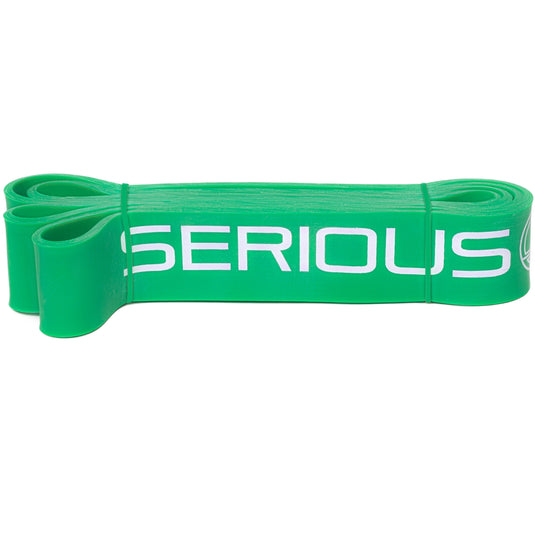
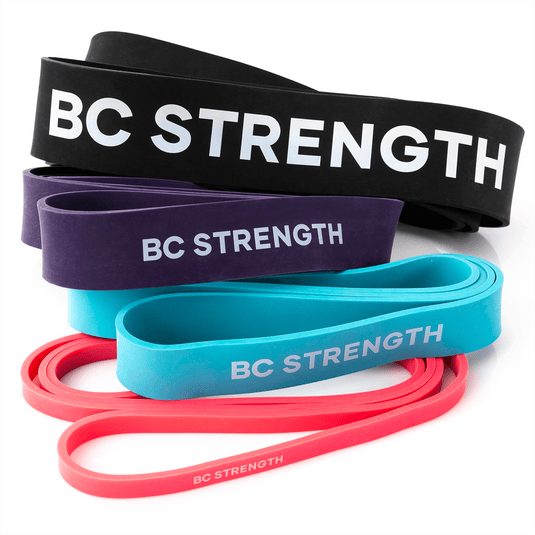
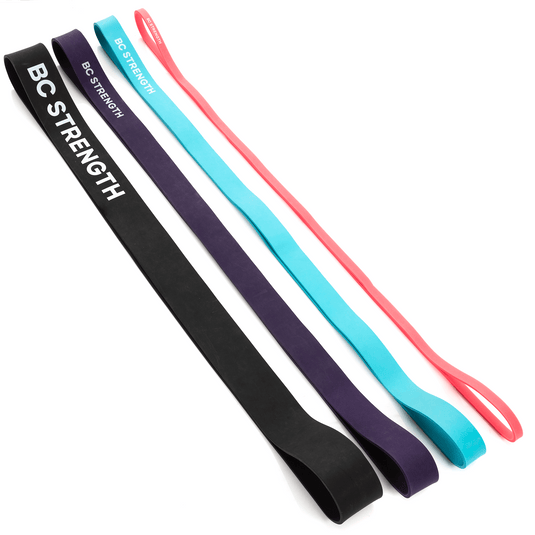
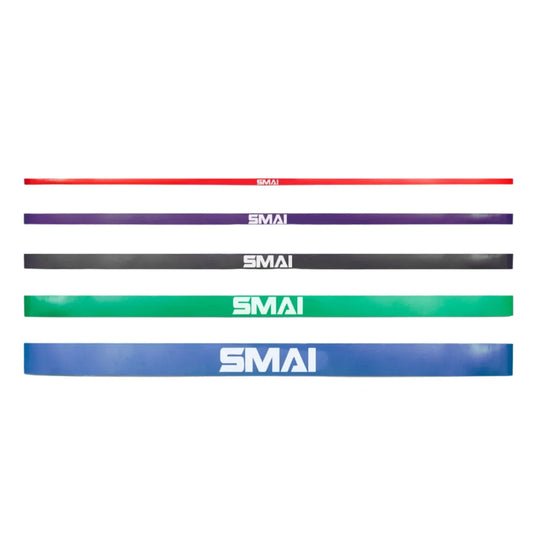
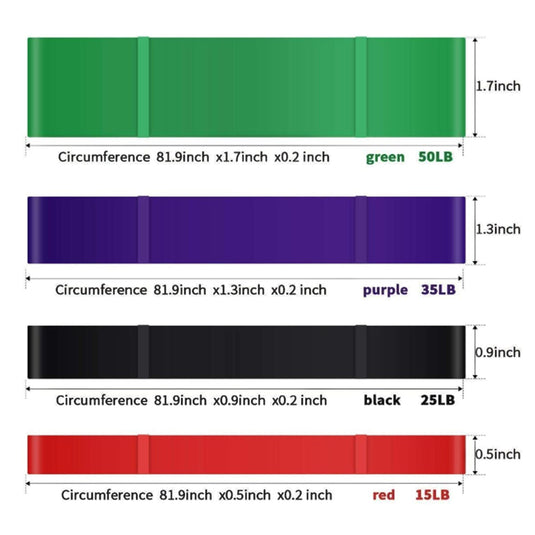
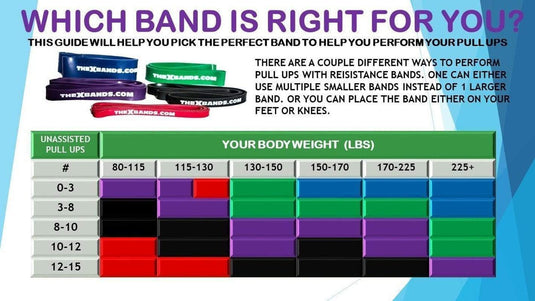
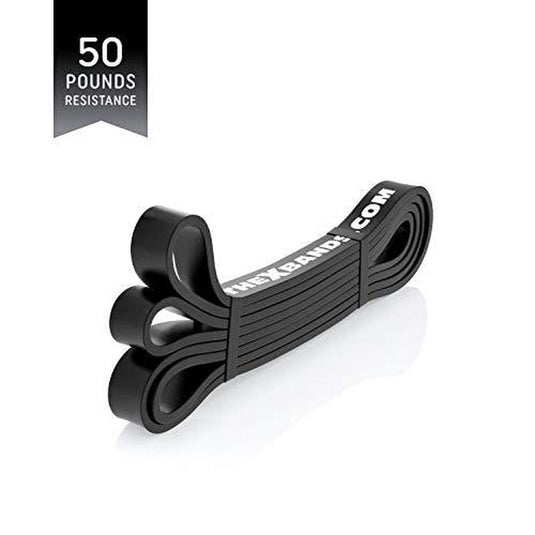
The right resistance level depends on your current strength and bodyweight. Lighter bands (10–35 lbs) provide minimal assistance for athletes who are close to unassisted reps. Medium bands (35–80 lbs) are the most common starting point, reducing effective bodyweight by 25–50% for most people. Heavy bands (80–200 lbs) are used by beginners building foundational pulling strength. Progress by moving to a lighter band as you get stronger.
Frequently Asked Questions
What is the difference between pull-up bands and loop resistance bands?
Pull-up bands are loop bands specifically selected for pull-up assistance — sized and chosen to support body weight during pull-up and chin-up movements, targeting the trapezius, biceps, rhomboids, and lats. General loop resistance bands are a broader training tool used for squats, barbell work, rows, presses, and conditioning. For general strength training, see our Loop Resistance Bands collection.
What resistance level do I need for pull-up assistance?
A medium band (35–80 lbs) is the right starting point for most people. If you can do 0–2 unassisted pull-ups, start with a heavy band (80–120 lbs). If you can do 3–5, a medium band is appropriate. Step down to a lighter band as you get stronger.
Can I use any resistance band for pull-ups?
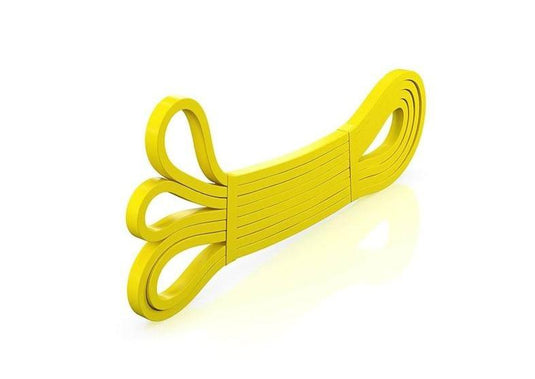
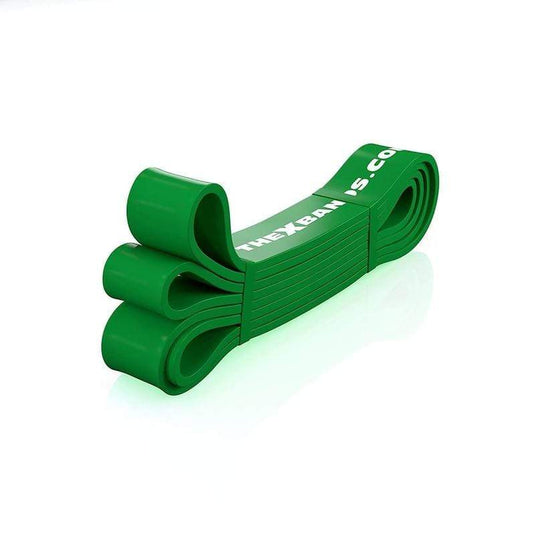
You need a continuous loop band — not a tube band with handles. The 41-inch loop format is the standard for pull-up assistance. It loops over the bar and you place one knee or foot in the bottom of the loop for support.
How do I attach a pull up band to my bar?
Fold the band in half and push one end through the other to create a lark's head knot over the bar. Place one foot or knee in the hanging loop. The band stretches as you lower, providing maximum assistance at the bottom of the movement where pull-ups are hardest.
How long do pull up bands last?
With proper care, quality latex loop bands last 1–3 years of regular use. Avoid leaving bands in direct sunlight or extreme heat, and inspect for nicks or tears before each use.